
Media
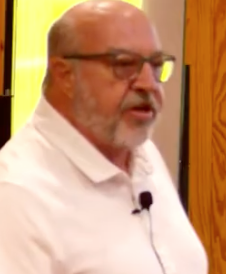
The Beginning of Saul's Suffering (Part 2) - Class 5
Summary
In this Bible class presented to the Oak Hollow church of Christ on Wednesday, June 3, 2026, teacher Randy Wooten continues the series Lessons on the Life of Paul by examining Acts chapter 9. Picking up directly after Saul’s basket escape from Damascus, the lesson explores Saul’s arrival in Jerusalem and the initial rejection he faced from the skeptical disciples. Wooten details how Barnabas stepped in as an advocate and bridge-builder, exemplifying his scriptural nickname, son of encouragement. The second half of the class transitions into Saul’s sudden departure to Tarsus after facing death threats from the Hellenists. Wooten frames this transition not as a setback, but as a providential season of preparation where God worked on Saul privately before elevating his public ministry. The lesson draws parallels to other Old and New Testament figures who underwent similar periods of isolation and character development.
Description
How does God prepare his chosen instruments for great responsibility? In this fifth class of the Lessons on the Life of Paul series, teacher Randy Wooten navigates through Acts 9:26-31 to reveal the vital roles that community encouragement and intentional isolation play in a believer's spiritual development.
The lesson begins with Saul returning to Jerusalem, where his violent past makes him a target of fear and isolation among the local disciples. Through the faithful advocacy of Barnabas, Saul finds acceptance and a platform to preach boldly. The discussion then shifts to Saul's relocation to Tarsus, marking the beginning of a years-long quiet phase of preparation. By examining the lives of historical figures like Moses, David, Joseph, and Esther, Wooten challenges the congregation to embrace times of hiddenness as training grounds for deepening faith and building Christian character.
The lesson begins with Saul returning to Jerusalem, where his violent past makes him a target of fear and isolation among the local disciples. Through the faithful advocacy of Barnabas, Saul finds acceptance and a platform to preach boldly. The discussion then shifts to Saul's relocation to Tarsus, marking the beginning of a years-long quiet phase of preparation. By examining the lives of historical figures like Moses, David, Joseph, and Esther, Wooten challenges the congregation to embrace times of hiddenness as training grounds for deepening faith and building Christian character.
Outline
I. The Need for Encouragement and Advocacy (Acts 9:26-28)
* Initial Rejection in Jerusalem: Saul tries to join the disciples but is met with fear and disbelief due to his notorious history as a persecutor.
* Profile of Barnabas: Reviewing the life of Joseph, nicknamed Barnabas by the apostles, meaning son of encouragement. Discussion touches on his background as a Levite from Cyprus, his sacrificial generosity in selling land, and his established credibility with the apostles.
* The Ministry of Advocacy: How Barnabas acted as a bridge-builder by personally vouching for Saul, validating his conversion testimony, and demonstrating that true encouragement sometimes means defending others when everyone else doubts them.
* Biblical Examples of Encouragement: A collaborative look at how God historically provided encouragement to despondent individuals, including Hagar in the wilderness, Elijah at Mount Carmel, and Jesus in the Garden of Gethsemane.
II. Hellenist Opposition and Sudden Departure (Acts 9:29-30)
* Confronting the Hellenists: Saul speaks and disputes boldly against the Greek-influenced Jews in Jerusalem, who quickly plot to assassinate him just as the citizens of Damascus had.
* Escort to Tarsus: The local brethren learn of the murder plot and immediately send Saul away to Caesarea, shipping him off to his hometown of Tarsus.
III. Understanding the Season of Preparation (Acts 9:31)
* The Apparent Setback: Recognizing that Saul spent roughly three years between Arabia and Damascus before his brief Jerusalem visit, only to disappear from prominence again for several years in Tarsus before Barnabas later retrieves him for the work in Antioch.
* The Principle of Private Preparation: Discussing the scriptural pattern that God develops character privately before displaying it publicly.
* Old Testament Case Studies:
* Moses: Spending forty years learning Egyptian culture and politics, followed by forty years as a humble shepherd in Midian, before leading Israel.
* David: Serving in Saul's palace, comforting the king, and fleeing in the wilderness for years before taking the throne.
* Joseph: Learning household management from Jacob, practicing leadership under Potiphar, and managing a prison before being made Prime Minister of Egypt.
* Interactive Examples: Class contributions highlighting the preparatory phases of Esther, Noah, Elisha, and Samuel.
IV. Practical Applications and Conclusion (Acts 9:31-43)
* The Purpose of Hidden Seasons: Understanding that perceived delays or isolation are meant to deepen character, strengthen personal faith, and prepare believers for future leadership responsibilities.
* Corporate Peace: Reading how the departure of Saul led to a temporary period of peace, building up, and multiplication for the early church across Judea, Galilee, and Samaria.
* Closing Reflections and Prayer: Personal anecdote from Wooten regarding his early career preparation in bank auditing and a final congregational prayer led by brother Bob.
* Initial Rejection in Jerusalem: Saul tries to join the disciples but is met with fear and disbelief due to his notorious history as a persecutor.
* Profile of Barnabas: Reviewing the life of Joseph, nicknamed Barnabas by the apostles, meaning son of encouragement. Discussion touches on his background as a Levite from Cyprus, his sacrificial generosity in selling land, and his established credibility with the apostles.
* The Ministry of Advocacy: How Barnabas acted as a bridge-builder by personally vouching for Saul, validating his conversion testimony, and demonstrating that true encouragement sometimes means defending others when everyone else doubts them.
* Biblical Examples of Encouragement: A collaborative look at how God historically provided encouragement to despondent individuals, including Hagar in the wilderness, Elijah at Mount Carmel, and Jesus in the Garden of Gethsemane.
II. Hellenist Opposition and Sudden Departure (Acts 9:29-30)
* Confronting the Hellenists: Saul speaks and disputes boldly against the Greek-influenced Jews in Jerusalem, who quickly plot to assassinate him just as the citizens of Damascus had.
* Escort to Tarsus: The local brethren learn of the murder plot and immediately send Saul away to Caesarea, shipping him off to his hometown of Tarsus.
III. Understanding the Season of Preparation (Acts 9:31)
* The Apparent Setback: Recognizing that Saul spent roughly three years between Arabia and Damascus before his brief Jerusalem visit, only to disappear from prominence again for several years in Tarsus before Barnabas later retrieves him for the work in Antioch.
* The Principle of Private Preparation: Discussing the scriptural pattern that God develops character privately before displaying it publicly.
* Old Testament Case Studies:
* Moses: Spending forty years learning Egyptian culture and politics, followed by forty years as a humble shepherd in Midian, before leading Israel.
* David: Serving in Saul's palace, comforting the king, and fleeing in the wilderness for years before taking the throne.
* Joseph: Learning household management from Jacob, practicing leadership under Potiphar, and managing a prison before being made Prime Minister of Egypt.
* Interactive Examples: Class contributions highlighting the preparatory phases of Esther, Noah, Elisha, and Samuel.
IV. Practical Applications and Conclusion (Acts 9:31-43)
* The Purpose of Hidden Seasons: Understanding that perceived delays or isolation are meant to deepen character, strengthen personal faith, and prepare believers for future leadership responsibilities.
* Corporate Peace: Reading how the departure of Saul led to a temporary period of peace, building up, and multiplication for the early church across Judea, Galilee, and Samaria.
* Closing Reflections and Prayer: Personal anecdote from Wooten regarding his early career preparation in bank auditing and a final congregational prayer led by brother Bob.
Video
Link copied to clipboard!